Injection molding website design
Websites for injection molders and plastics manufacturers
A capabilities-first website that shows engineers your presses, resins, tolerances, and cleanroom capacity, and makes the quote request one click away. Built and hosted for you.
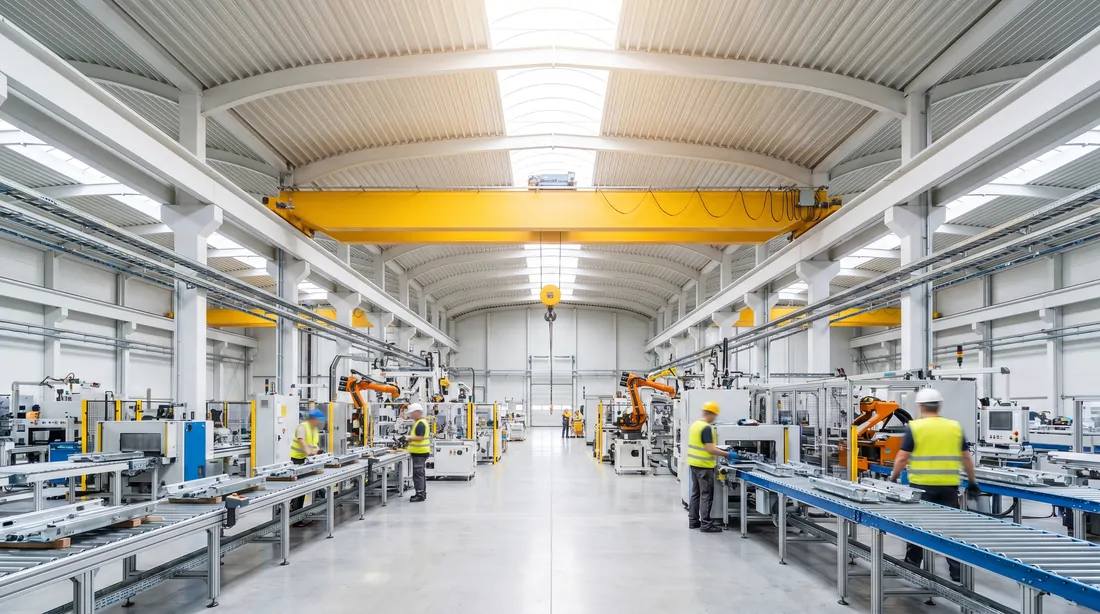
Buyers sourcing an injection molder screen on specifics before they ever send a print: press tonnage, shot size, the resins you run, cavitation, and whether you can hold their tolerances in the volumes they need. A website built on a generic template has nowhere to put that, so qualified buyers move on to a molder who shows it.
We build the site around your molding capabilities instead. Your press list, materials, tooling options, and secondary operations each get a real page, and the RFQ form takes a part print or a STEP file from anywhere on the site.
What an injection molding site includes
Press and capability list
Your presses by tonnage and shot size, cavitation, and shot volumes, so buyers self-qualify.
Resin and materials pages
The thermoplastics and elastomers you run, from ABS and polycarbonate to nylon, PEEK, and LSR silicone.
Cleanroom and certifications
ISO Class 7 or 8 cleanroom capacity and ISO 9001, ISO 13485, or IATF 16949, shown where buyers check.
RFQ forms with file upload
Quote requests that accept a part print or STEP file, routed to the right estimator.
Industrial SEO
Built to rank for insert molding, overmolding, medical molding, and the resins and processes you want work in.
Tooling and secondary ops
In-house mold making, hot and cold runner tooling, overmolding, insert molding, and ultrasonic welding.
What injection molding buyers look for online
A sourcing engineer comparing molders wants to confirm a handful of facts fast: can your presses run their part, do you mold their resin, can you hold the tolerance, and do you have the cleanroom and certifications their market requires. Spell each of these out on its own page. A molder that lists "50 to 720 ton presses, single and multi-cavity tooling, ABS through PEEK, ISO 13485 with an ISO Class 8 cleanroom" answers the screening questions before the phone rings.
From prototype tooling to production runs
Many programs start with a bridge tool or a low-cavitation prototype mold and scale to full production, so buyers want to see that you support the whole path. Show your prototype and production tooling, your design-for-manufacturability support, and representative programs with the resin, cavitation, and annual volumes. If you cut your own tooling, say so, because in-house mold making is a real differentiator. For how to structure these pages, see our capabilities page guide.
Questions
What manufacturers ask
What should an injection molding company website include?
List your presses by tonnage and shot size, the resins you run, your tooling and cavitation options, secondary operations, and your certifications and cleanroom class. Add an RFQ form that accepts a part print or STEP file. Those specifics let engineers self-qualify and are exactly what search engines and AI assistants use to match you to a buyer.
Can the site show medical or cleanroom molding?
Yes. We give your cleanroom capacity, ISO 13485 registration, and validation capabilities their own space, because medical and pharmaceutical buyers screen on them first. If you serve both medical and industrial markets, we structure the site so each audience finds the proof it needs.
Do you build sites for plastics manufacturers beyond injection molding?
Yes. The same capabilities-first approach fits blow molding, thermoforming, extrusion, and other plastics processes. We build a page for each process and material so you rank for the specific work you want, not just the broad term.
Ready to win more work online?
Buy a plan and launch within 24 hours, or send us your project for a custom quote.